
Let me start with something most recipe blogs won’t tell you. I’ve dried out more chicken breasts than I care to admit. I’ve served rubbery thighs and pale, sad drumsticks. For years, I thought chicken was just… boring. A protein you tolerate, not crave. Then I learned a few real techniques, not just ingredient lists. And everything changed.A Complete Guide to Homemade Chicken Recipes That Actually Work.
This isn’t another collection of “quick 15-minute meals” that take an hour. This is the stuff I cook on Tuesday nights when I’m tired, Sunday afternoons when I want the house to smell like heaven, and Friday evenings when friends text “what should I bring?” These recipes have been tested, tweaked, and sometimes rescued from the brink of disaster. Let’s get into it.
The One Thing Nobody Tells You About Cooking Chicken
Before a single recipe, you need this. Chicken is not one ingredient. A breast and a thigh cook completely differently. A factory-farmed bird and a pasture-raised one are almost different animals. And temperature? That’s everything.
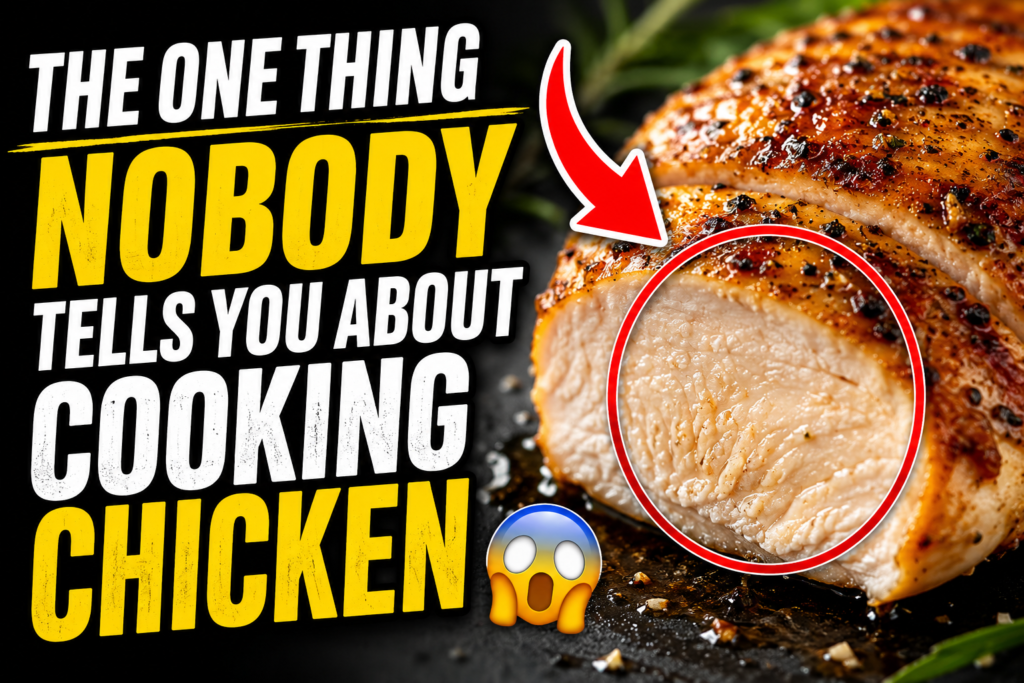
Here’s the truth that changed my cooking: Chicken continues cooking after you pull it from heat. Resting isn’t a suggestion. A breast pulled at 160°F will rise to 165°F while it rests. Pull it at 165°F and you get 170°F – dry, tight, sad. Get a meat thermometer. A $15 instant-read thermometer is the best investment you’ll make. I use mine constantly. No more guessing, no more cutting into meat to “check if it’s white” while all the juices run out onto the cutting board.
Alright, sermon over. Let’s cook.
Recipe One: The Never-Fail Roast Chicken (And How to Actually Get Crispy Skin)
If you learn one chicken recipe, make it this one. A good roast chicken is dinner party magic and Tuesday night comfort rolled into one. Plus, the leftovers become three more meals. I’ll show you.
What You Need
- 1 whole chicken (4 to 5 pounds – don’t go bigger or it cooks unevenly)
- 2 tablespoons kosher salt (yes, that much. Table salt is different – use half if that’s all you have)
- 1 tablespoon black pepper, freshly ground
- 1 whole head of garlic, cut in half horizontally
- 2 lemons, quartered
- A bunch of fresh thyme or rosemary (or both, I won’t stop you)
- 4 tablespoons butter, softened (not melted – softened)
- 2 tablespoons olive oil
The Night Before (But Morning Of Works Too)
This is the secret step that separates good roast chicken from spectacular roast chicken. Dry brining. Unwrap your chicken. Pat it absolutely dry with paper towels. Don’t be gentle. Get every bit of moisture off that skin. Now mix your salt and pepper together. Sprinkle it all over the chicken – inside the cavity, under the wings, every surface. Use it all.
Put the chicken on a rack set inside a baking sheet. Leave it uncovered in the refrigerator. I know it sounds weird. Trust me. The salt will slowly penetrate the meat, seasoning it deeply. The fridge air will dry out the skin. Drier skin = crispier skin. Leave it for at least 4 hours, but overnight is ideal.
The Day Of
Take the chicken out of the fridge one hour before cooking. Room temperature meat cooks more evenly. Preheat your oven to 425°F. Not 350°F. Not 400°F. 425°F gives you browning without burning.
Stuff the cavity with the garlic halves, lemon quarters, and herb bunch. Don’t pack it tight – you want air to circulate. Take your softened butter and smear it all over the skin. Everywhere. Under the breast skin too? Yes. Gently loosen the skin over the breast with your fingers (it will separate easily) and push butter in there. That’s the restaurant trick.
Truss the chicken? You can. Tucking the wings behind the back and tying the legs together helps it cook evenly. But if you don’t have kitchen twine, just tuck the wing tips under the back.
Roasting
Put the chicken in your oven, breast side up. Roast for 15 minutes at 425°F. Then reduce heat to 375°F without opening the door. Continue roasting for about 45 more minutes. Start checking at 45 minutes. Insert your thermometer into the thickest part of the thigh, avoiding bone. You want 160°F in the thigh. The breast will be around 150°F at this point – that’s fine.
Pull the chicken out. Transfer to a cutting board. Here’s the hardest part: Let it rest for 15 to 20 minutes. Don’t touch it. Tent loosely with foil if you’re worried about it getting cold. But don’t wrap tight – you’ll steam the crispy skin you worked for.
Carving That Actually Works
Most people massacre a roast chicken. Here’s how to do it without crying. First, remove the twine. Cut through the skin between the thigh and the breast. Pull the thigh down until the joint pops. Cut through the joint. Repeat on the other side. Separate the drumstick from the thigh if you want – there’s a clear joint. Now the breast. Cut along the breastbone from top to bottom. Slide your knife along the ribcage to remove the whole breast half. Slice crosswise. Wings? Just pull them off – they’ll come easily.
What To Do With The Pan Juices
While the chicken rests, pour the pan drippings into a small bowl. Let it sit for a minute. The fat will rise. Spoon off most of it (save it for roasting potatoes another day). What’s left is pure gold. Spoon it over the carved chicken. Serve immediately.
Why this works: The dry brine seasons inside. The high heat starts browning. The lower heat finishes gently. The rest redistributes juices. Each step has a purpose. This is cooking with understanding, not just following steps.
Recipe Two: The Creamy Garlic Chicken That Costs Less Than Takeout
Some nights you want something rich and saucy without the restaurant price tag. This is that meal. It comes together in about 30 minutes, uses one pan, and makes enough sauce to soak into rice or mashed potatoes. My family requests this constantly.
What You Need
- 2 large boneless, skinless chicken breasts (about 1.5 pounds total)
- Or 4 to 6 chicken thighs if you prefer dark meat
- 1 teaspoon salt
- 1/2 teaspoon black pepper
- 1/2 teaspoon paprika (smoked paprika if you have it)
- 1/4 cup all-purpose flour (for dredging)
- 2 tablespoons olive oil
- 2 tablespoons butter
- 1 whole head of garlic (yes, a whole head – trust me)
- 1 cup chicken broth (low sodium is best)
- 1 cup heavy cream (or half-and-half for lighter sauce)
- 1/2 cup grated Parmesan cheese (the real stuff, not the green can)
- 2 tablespoons fresh parsley, chopped
- Salt and pepper to finish
Prep First Or You’ll Regret It
This moves fast once you start. Slice your chicken breasts horizontally to make two thinner cutlets from each breast. Or pound them between plastic wrap to even thickness – about 1/2 inch thick. Even thickness means even cooking. No dry edges with raw centers.
Peel your garlic. All of it. This is the most annoying part of the recipe. Here’s a trick: smash each clove with the flat side of your knife. The skin comes right off. Then roughly chop the garlic. Don’t mince too fine – it will burn. Rough chop is fine.
Mix your salt, pepper, and paprika in a small bowl. Sprinkle this all over both sides of your chicken pieces. Now pour the flour onto a plate. Dredge each piece of chicken in the flour, shaking off excess. You want a light coating, not a thick paste.
Cooking The Chicken
Heat your olive oil in a large skillet over medium-high heat. When the oil shimmers (that means hot), add the butter. Butter adds flavor. Oil prevents burning. Together they’re perfect.
Carefully place the chicken pieces in the pan. Don’t crowd. Cook in batches if needed. Overcrowding lowers the pan temperature and you’ll steam instead of sear. You want golden brown, not gray.
Cook for about 3 to 4 minutes per side. Don’t move them constantly – let the crust form. When they release easily from the pan, they’re ready to flip. The second side takes less time, about 2 to 3 minutes. Remove chicken to a plate. It won’t be cooked through yet – that’s fine. We’re finishing it in the sauce.
The Sauce That Makes Everything Worth It
The pan should have brown bits stuck to the bottom. That’s flavor. Don’t scrub it. Pour off any excess oil but leave about a tablespoon.
Add your chopped garlic to the same pan. Cook for one minute, stirring constantly. Burnt garlic is bitter and ruins everything. Watch it carefully. You want it fragrant and just starting to color.
Pour in the chicken broth. Scrape the bottom of the pan with a wooden spoon or spatula. Those brown bits will dissolve into the liquid. That’s called deglazing. It’s not fancy – it’s just using everything.
Let the broth bubble and reduce by half. This takes about 3 to 4 minutes on medium-high heat. You’ll see the liquid thicken slightly.
Reduce heat to medium-low. Pour in the heavy cream. Stir to combine. The sauce will turn pale golden. Add your Parmesan cheese gradually, stirring constantly until it melts completely. Taste the sauce now. Add more salt and pepper if needed.
Bringing It Together
Nestle the chicken pieces back into the sauce, including any juices on the plate. Spoon some sauce over the top of each piece. Simmer gently for 5 to 7 minutes, uncovered, until the chicken is cooked through. The sauce will thicken as it cooks.
Check the chicken temperature – 165°F for breasts, 175°F for thighs (thighs actually get better at higher temps). Sprinkle with fresh parsley before serving.
Serve this over: Rice (white or brown), egg noodles, mashed potatoes, or with crusty bread for dipping. The sauce is the star. Don’t waste a drop.
Variations When You Want Something Different
- Add spinach – Throw in 2 cups of fresh spinach during the last minute of cooking. It wilts fast.
- Add sun-dried tomatoes – Chop up 1/4 cup and add with the broth. Sweet and tangy.
- Make it spicy – Add red pepper flakes with the garlic.
- Use mushrooms – Slice 8 ounces of cremini mushrooms and brown them after removing the chicken, before the garlic.
Recipe Three: The Sheet Pan Chicken That Saves Busy Nights
Some nights you cannot stand over a stove. I get it. This recipe understands. Everything cooks on one pan. The chicken stays juicy. The vegetables caramelize. And cleanup is one baking sheet.
What You Need
- 6 bone-in, skin-on chicken thighs (or 4 legs and 4 thighs – mix it up)
- 1 pound baby potatoes, halved
- 1 bunch of broccoli, cut into florets (or brussels sprouts, halved)
- 1 red onion, cut into wedges
- 4 tablespoons olive oil, divided
- 2 teaspoons salt, divided
- 1 teaspoon black pepper
- 2 teaspoons dried oregano (or Italian seasoning)
- 1 teaspoon garlic powder
- 1 lemon, sliced into rounds
- Fresh parsley for garnish
The Method
Preheat your oven to 425°F. Line a large baking sheet with parchment paper or foil. If using foil, spray it with oil so nothing sticks.
Pat your chicken thighs completely dry with paper towels. This step is non-negotiable for crispy skin. Moist skin = sad, flabby skin. Sprinkle both sides of each thigh with half the salt, pepper, oregano, and garlic powder.
In a large bowl, toss your potatoes, broccoli, and red onion with 2 tablespoons of olive oil and the remaining salt and spices. Spread these vegetables evenly on your baking sheet. Leave room for the chicken.
Place the chicken pieces on top of the vegetables, skin side up. Don’t crowd. The vegetables should be in a single layer. Overlapping means steaming instead of roasting.
Drizzle the remaining olive oil over everything. Scatter the lemon slices around the pan.
Roasting Without Overthinking
Put the pan in the oven. Roast for 25 minutes. Then rotate the pan and roast for another 10 to 15 minutes. The chicken is done when the skin is golden and crispy and the internal temperature hits 175°F to 185°F for thighs (they’re forgiving). Vegetables should be tender and browned in spots.
The broccoli might look overdone. It’s not. Those dark edges are caramelization. That’s flavor.
Let the pan rest on the counter for 5 minutes before serving. Garnish with fresh parsley. Serve directly from the sheet pan if you want – I do. Fewer dishes.
Why Bone-In, Skin-On Matters
I used to buy boneless, skinless thighs for everything. Then I realized I was paying more for less flavor. The bone adds moisture and depth. The skin, when crispy, is better than potato chips. Plus bone-in thighs are usually cheaper. It’s a win all around. If you absolutely must use boneless, reduce cooking time to about 20 minutes total and check temperature early.
Recipe Four: The 20-Minute Lemon Chicken (For Nights You Have Nothing)
This is the recipe I make when I haven’t been to the store in a week. Pantry ingredients, one pan, and genuinely fast – not recipe-blog fast, but actually 20 minutes fast.
What You Need
- 2 boneless chicken breasts (or 4 thin cutlets)
- Salt and pepper
- 1/4 cup flour
- 2 tablespoons olive oil
- 2 tablespoons butter
- 3 cloves garlic, minced (okay if you only have powder – use 1 teaspoon)
- 1/2 cup chicken broth (or water with a bouillon cube)
- Juice of 2 lemons (bottled works, fresh is better)
- 2 tablespoons capers (optional but amazing – skip if you don’t have)
- 2 tablespoons fresh parsley or 1 teaspoon dried
Let’s Go
If using whole breasts, slice them horizontally to make thin cutlets. Or pound them thin. Season both sides with salt and pepper. Dredge in flour, shaking off excess.
Heat olive oil in a skillet over medium-high heat. Add the chicken. Cook 3 minutes per side until golden. Remove to a plate. The chicken might not be fully cooked – that’s fine.
Melt butter in the same pan. Add garlic. Cook 30 seconds until you smell it. Pour in broth and lemon juice. Scrape the pan bottom. Let it bubble for 2 minutes. The sauce will reduce and thicken slightly.
Add capers if using. Return chicken to pan. Spoon sauce over chicken. Simmer 2 to 3 minutes until chicken is cooked through. Sauce should be thick enough to coat a spoon. If it’s too thin, simmer another minute. If too thick, splash in a little broth.
Sprinkle with parsley. Serve immediately. Over rice, pasta, or with bread to soak up the sauce.
This is not fancy. It’s bright and tangy and saves dinner when you have nothing planned. That’s its beauty.
Recipe Five: Stovetop Chicken and Rice (One Pot, No Measuring Drama)
One-pot meals sound great until you try them and end up with burnt rice and raw chicken. This version actually works. I’ve made it dozens of times. The rice cooks perfectly, the chicken stays tender, and you don’t need a dozen measuring cups.
What You Need
- 4 bone-in chicken thighs (skin on for flavor)
- Or 2 breasts cut into chunks if that’s what you have
- 2 tablespoons oil
- 1 onion, diced
- 3 garlic cloves, minced
- 1.5 cups white rice (long grain or jasmine works best – not instant rice)
- 2.5 cups chicken broth (use a little more if needed)
- 1 teaspoon salt
- 1/2 teaspoon black pepper
- 1 teaspoon paprika
- 1 cup frozen peas and carrots (or whatever vegetables are dying in your fridge)
The Process That Never Fails
Heat oil in a large pot or Dutch oven over medium-high heat. A pot with a tight-fitting lid is essential. Pat chicken dry. Season with half the salt and pepper. Place chicken in pot skin side down. Don’t crowd. Cook 5 to 6 minutes until skin is deep golden brown and crispy. Flip and cook 3 minutes more. Remove chicken to a plate. It won’t be cooked through.
Pour off all but 2 tablespoons of fat from the pot. Add onion. Cook 3 minutes until soft. Add garlic and cook 1 minute. Add rice and stir constantly for 2 minutes. This toasts the rice and prevents it from getting mushy.
Pour in the broth. Add remaining salt, pepper, and paprika. Scrape the bottom. Bring to a boil. Place the chicken pieces on top of the rice, skin side up. Reduce heat to low. Cover with lid.
Do not open the lid for 18 minutes. I’m serious. Every time you lift that lid, steam escapes. Steam is what cooks the rice. Set a timer and walk away.
After 18 minutes, turn off the heat. Leave the lid on for 5 more minutes. Now open. The rice should be tender, the chicken cooked through. Scatter frozen peas and carrots over the top. Cover again for 2 minutes – the residual heat will warm the vegetables.
Fluff the rice with a fork, mixing in the vegetables. The chicken skin won’t be crispy anymore – that’s fine. The flavor is in the meat now.
Troubleshooting
If your rice is still crunchy, add 1/4 cup more broth, cover, and cook on low for 5 more minutes. If your rice is mushy, you used too much liquid or stirred too much. Still tastes fine – texture is just off. Learn for next time.
The FAQs I Actually Get Asked
How do I know when chicken is done without a thermometer?
You don’t. Get a thermometer. But if you’re stranded without one, pierce the thickest part with a knife tip. The juices should run clear, not pink. Cut into it. The meat should be white all the way through (for breasts) or deeply browned (for thighs). But seriously, buy a thermometer.
Why is my chicken always dry?
Two reasons. You’re overcooking it, or you’re buying giant chicken breasts. Huge breasts are harder to cook evenly. Switch to thighs or buy smaller breasts. Or pound breasts to even thickness. And stop cooking past 160°F for breasts.
Can I freeze these meals?
Yes. The creamy garlic chicken freezes beautifully – just leave out the cream until reheating. The roast chicken freezes fine but the skin won’t be crispy when thawed. Shred the meat and use in soups or tacos instead. The sheet pan meal? Not great frozen – vegetables get mushy. The lemon chicken sauce freezes well. The chicken and rice freezes okay but the rice texture changes slightly.
Dark meat vs white meat – what’s the real difference?
White meat (breasts, tenders) is lean and dries out fast. Cook to 160°F max. Dark meat (thighs, drumsticks) has more fat and connective tissue. It actually gets more tender the longer you cook it, up to about 185°F. Dark meat is more forgiving for beginners. I use thighs in almost everything now.
How long can I keep cooked chicken in the fridge?
Four days, max. Store in airtight containers. If you haven’t eaten it by day four, freeze it or toss it. Don’t risk it.
Building Your Own Chicken Recipes
Once you understand a few principles, you don’t need recipes anymore. Here’s what I’ve learned:
The basic pan-cooked chicken formula: Season + sear + make sauce (broth + cream or butter + aromatics + finish) = dinner.
The basic roast formula: Dry brine + high heat start + lower heat finish + rest properly = success.
The basic one-pot formula: Brown meat + cook aromatics + add starch + add liquid + simmer covered + don’t peek = magic.
Start with these recipes. Make each one twice. Then start changing things. Swap herbs. Use different vegetables. Try wine instead of broth. Cooking without a recipe feels like flying – terrifying at first, then completely freeing.
One Last Thing
I wrote this because I was tired of complicated recipes that assume you have a stocked pantry and two hours. You don’t. You have a hungry family, a tired body, and a package of chicken that needs to become dinner. These recipes respect that.
The roast chicken takes time but minimal active work. The creamy garlic chicken comes together fast. The sheet pan meal is almost lazy. The lemon chicken saves desperate nights. The one-pot rice fills bellies on a budget.
Pick one. Make it tonight. Burn something, under-season something, learn something. That’s how real cooking happens. Not with perfection on the first try, but with messy, delicious repetition until it becomes yours.
Now go cook. Your kitchen smells better when you do.